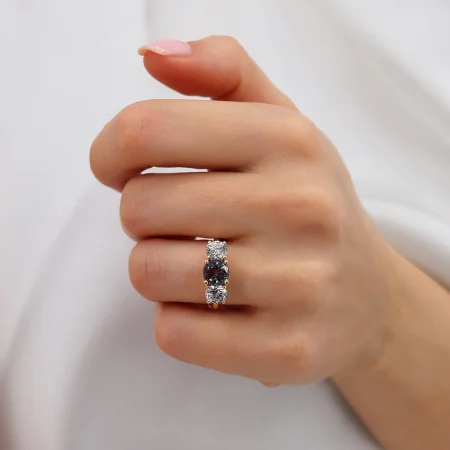



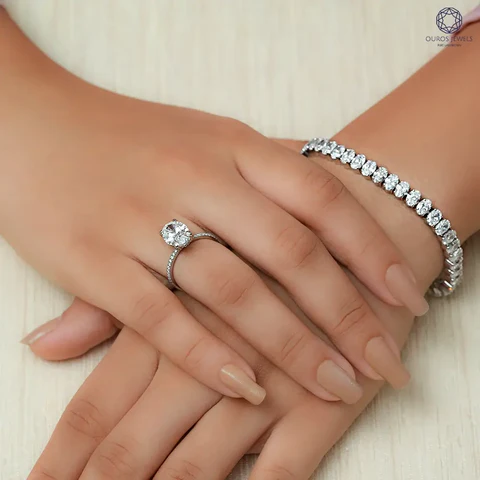
The early 20th century marked a pivotal shift in the world of fine jewelry, transitioning from the opulent yellow golds of the Victorian era to a cooler, more architectural palette. This transformation was driven by both aesthetic desire and technological advancement, leading to the rise of the antique white gold ring as a staple of sophisticated design. Originally developed as a more accessible alternative to platinum during the wartime metal restrictions and the subsequent Art Deco boom, white gold became the canvas for some of the most intricate filigree and geometric patterns in history. Today, these pieces are highly coveted by modern couples and collectors alike, offering a brilliant, durable, and ethically sound choice that bridges the gap between historical romanticism and contemporary style.
The Innovation of White Gold
While platinum was the preferred metal for the elite during the Edwardian era, its high melting point and rarity made it difficult to work with and expensive to acquire. During the early 1900s, and particularly during World War I when platinum was diverted for military use, jewelers perfected the alloying of gold with white metals like nickel, silver, or palladium. This “new” white gold offered the same bright, colorless backdrop as platinum but with a unique luster and a slightly lower price point, allowing for the democratization of high-end fashion.
By the 1920s, white gold had become the cornerstone of the Art Deco movement. Its ability to be “die-struck”—a process of compressing metal into steel molds under immense pressure—allowed for the creation of incredibly crisp, sharp lines that characterized the “Machine Age” aesthetic. Unlike modern white gold, which is often heavily plated with rhodium to achieve a mirror-like finish, antique pieces often possess a warmer, more subtle “straw” or “champagne” undertone that adds to their vintage character and charm.
Masterful Craftsmanship: Filigree and Milgrain
The primary draw for many luxury gift buyers and engagement shoppers is the level of detail found in antique white gold settings. Because the metal was easier to manipulate than platinum but stronger than traditional yellow gold, artisans were able to achieve a level of “airiness” in their designs that is rarely seen in modern commercial jewelry.
- Filigree Artistry: This involves twisting thin threads of gold into intricate, lace-like patterns. In the 1920s and 30s, white gold filigree reached its peak, with rings featuring delicate butterflies, floral scrolls, and geometric “honeycomb” patterns that seem to float around the center stone.
- Milgrain Detailing: Almost every high-quality antique ring features milgrain—the tiny, beaded metal borders that run along the edges of the setting. This hand-applied texture adds depth and softens the industrial lines of the Deco period, creating a perfect balance between strength and femininity.
The Sustainability of Estate Jewelry in 2026
In 2026, the definition of luxury has evolved to include environmental responsibility. For the modern bride, the appeal of an antique ring goes far beyond its beauty; it is an act of ethical stewardship. Choosing an estate piece means that no new mining was required, no new chemicals were used in refining, and no modern industrial toll was taken on the planet.
This “circular luxury” is particularly relevant when it comes to white gold. Many antique rings feature “Old European” or “Transitional” cut diamonds that were hand-faceted to sparkle under the warm, low light of the early 20th century. By purchasing these pre-existing treasures, collectors are preserving a piece of human history while aligning their personal milestones with their values of conservation and sustainability.
Investment Value and Longevity
From an investment perspective, antique jewelry has proven to be remarkably resilient. As the supply of well-preserved, authentic white gold pieces from the early 20th century continues to decrease, their rarity—and therefore their value—continues to rise. Unlike modern retail jewelry, which often carries a heavy “brand markup” but lacks significant resale value, an antique piece is a portable asset with historical provenance.
Furthermore, the durability of these pieces is often underestimated. Because many were die-struck rather than cast, the metal is exceptionally dense. This density protects the fine engraving and filigree from wearing down quickly. With simple, professional maintenance—such as a bi-annual check of the prongs and a gentle cleaning—an antique ring is perfectly capable of serving as a daily engagement ring for another hundred years.
Finding an Authentic Legacy
Navigating the world of antiques requires a discerning eye and a trusted partner. Identifying a genuine piece from the 1920s or 30s involves more than just looking at the color of the metal; it requires an understanding of era-specific hallmarks, the weight of the piece, and the way the diamonds were cut and set. Many “vintage-inspired” modern rings lack the hand-finished “soul” and the specific density of true estate treasures.
Whether you are looking for a unique engagement ring that stands out from the crowd or a significant addition to a curated jewelry collection, the guidance of a professional specialist is indispensable. It is about more than just a transaction; it is about becoming the next steward of a piece of history. For those ready to discover a world of timeless elegance and masterful craftsmanship, Gesner Estate Jewelry provides the expertise and the extraordinary selection needed to find a treasure that resonates with your personal story and enduring style.