




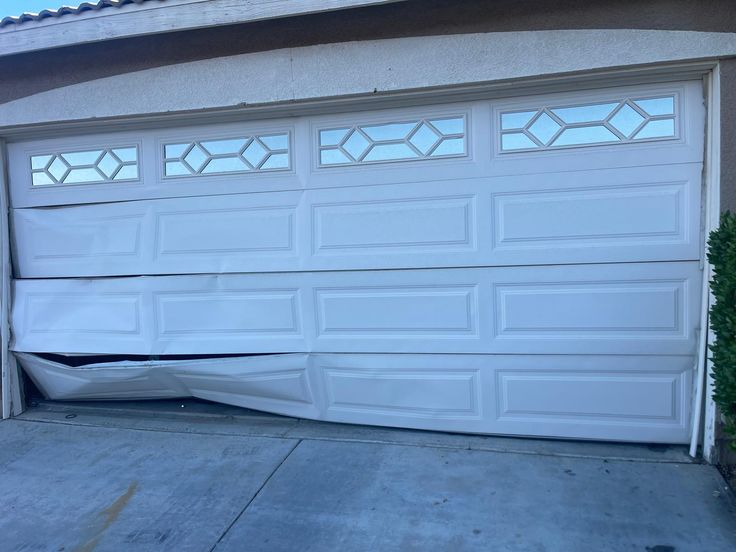
A garage door is one of the largest moving components of your home, and choosing a heavy-duty model requires careful consideration. Unlike standard garage doors designed for basic residential use, heavy-duty garage doors are built to handle demanding conditions, provide stronger security, withstand harsh weather, and deliver long-lasting performance.
Whether you need a garage door for a high-use residential garage door installation Phoenix AZ garage, workshop, commercial property, or a home located in an area with extreme weather, selecting the right heavy-duty door can save money on repairs and improve safety over time.
This guide explains the most important features to consider when buying a heavy-duty garage door, including materials, construction quality, insulation, hardware, security features, and maintenance requirements.
Why Choose a Heavy-Duty Garage Door?
A heavy-duty garage door offers enhanced strength and durability compared with standard models. It is designed for homeowners and businesses that need better performance under demanding conditions.
Benefits of Heavy-Duty Garage Doors
A high-quality heavy-duty garage door provides:
- Increased durability
- Better security
- Improved weather resistance
- Longer lifespan
- Reduced maintenance needs
- Smoother operation under frequent use
These doors are especially useful for garages that experience heavy traffic or exposure to harsh environmental conditions.
1. Choose a Strong and Durable Garage Door Material
The material of a garage door plays a major role in its strength, lifespan, and performance. Heavy-duty doors are typically made from stronger materials designed to withstand daily wear and environmental stress.
Steel Garage Doors
Steel is one of the best choices for heavy-duty applications.
Advantages:
- Excellent strength
- High impact resistance
- Low maintenance
- Long lifespan
- Strong security protection
Heavy-gauge steel doors provide better resistance against dents, weather damage, and forced entry.
Best For:
- High-use garages
- Security-focused properties
- Commercial applications
- Extreme weather areas
Aluminum Garage Doors
Aluminum is lightweight but can still provide excellent durability when reinforced properly.
Advantages:
- Rust resistant
- Lightweight operation
- Modern appearance
- Suitable for large openings
However, aluminum may be more vulnerable to dents compared with heavy steel.
Wood Garage Doors
Wood provides natural beauty and strong construction when properly built.
Advantages:
- Premium appearance
- Custom designs
- Solid construction
Disadvantages:
- Requires regular maintenance
- Can be affected by moisture
Wood is best for homeowners who want a strong door with a traditional or luxury appearance.
2. Look for Heavy-Duty Construction
The construction quality of a garage door determines how well it performs over time.
Important construction features include:
Thick Door Panels
Thicker panels generally provide:
- Greater strength
- Better insulation
- Improved resistance to damage
Reinforced Frames
A strong frame helps prevent:
- Bending
- Warping
- Structural failure
Multiple-Layer Construction
Many heavy-duty doors use layered designs:
- Exterior steel layer
- Insulation core
- Interior backing layer
This improves durability and energy efficiency.
3. Consider the Door’s Weight Capacity
Heavy-duty garage doors are usually heavier than standard models, which means the supporting components must be strong enough to handle the load.
Important components include:
- Springs
- Tracks
- Rollers
- Cables
- Hinges
A quality garage door system should be properly balanced so the opener does not work harder than necessary.
4. Choose High-Quality Hardware
The hardware supporting your garage door is just as important as the door itself.
Heavy-Duty Springs
Springs handle the weight of the door and allow smooth movement.
Look for:
- High-cycle springs
- Corrosion-resistant coatings
- Proper weight ratings
Strong Tracks
Heavy-duty tracks should be:
- Thick
- Properly aligned
- Made from durable metal
Weak tracks can cause uneven movement and premature wear.
Durable Rollers
High-quality rollers improve:
- Smooth operation
- Noise reduction
- Long-term reliability
Nylon or reinforced rollers are often preferred for quieter performance.
5. Pay Attention to Insulation Performance
A heavy-duty garage door should provide more than strength. Insulation can improve comfort and efficiency.
Benefits of Insulated Heavy-Duty Doors
- Better temperature control
- Reduced energy loss
- Lower noise levels
- Increased panel strength
Insulation is especially important for:
- Attached garages
- Workshops
- Garages used frequently
Understanding R-Value
The R-value measures insulation effectiveness.
A higher R-value generally means better resistance to heat transfer.
Choose a higher insulation rating if:
- You live in extreme climates
- Your garage connects to your home
- You use the garage as a workspace
6. Check Weather Resistance Features
A heavy-duty garage door should protect against outdoor conditions.
Important weather-resistant features include:
Strong Bottom Seals
A quality bottom seal helps prevent:
- Water entry
- Dust
- Pests
- Cold air
Weatherstripping Around Panels
Side and top seals improve protection against drafts and moisture.
Corrosion Protection
Look for materials and finishes designed to resist:
- Rust
- Humidity
- Salt exposure
7. Consider Security Features
A heavy-duty garage door can improve your home’s security.
Important security features include:
Strong Door Materials
Steel and reinforced construction provide better protection against forced entry.
Secure Locking Systems
Modern doors may include:
- Automatic locking mechanisms
- Stronger locking bars
- Smart security controls
Smart Garage Technology
Smart openers can provide:
- Remote monitoring
- Activity alerts
- Digital access control
8. Select a Powerful Garage Door Opener
A heavy-duty door requires an opener that can handle its weight and frequency of use.
Important opener features include:
Proper Motor Strength
Choose an opener designed for your door’s weight.
Battery Backup
A backup battery allows operation during power outages.
Quiet Operation
Belt-drive systems often provide smoother and quieter performance.
Smart Controls
Modern openers may include:
- Smartphone access
- Security notifications
- Home automation integration
9. Consider Wind Resistance Ratings
If you live in an area with strong winds, a wind-rated garage door can provide extra protection.
Wind-resistant doors include:
- Reinforced panels
- Stronger tracks
- Improved anchoring systems
Benefits include:
- Better structural protection
- Improved safety during storms
- Reduced risk of damage
10. Evaluate Safety Features
Heavy-duty garage doors must include reliable safety systems.
Look for:
Auto-Reverse Technology
The door should automatically reverse if it detects an obstacle.
Safety Sensors
Photo-eye sensors prevent accidental closing when something blocks the door path.
Manual Release System
A manual release allows operation during emergencies.
11. Consider Professional Installation
A heavy-duty garage door requires precise installation to perform correctly.
Professional installation ensures:
- Proper balance
- Correct spring tension
- Accurate track alignment
- Safe operation
Incorrect installation can lead to:
- Excessive wear
- Noise problems
- Safety risks
- Reduced lifespan
12. Check Warranty Coverage
A quality warranty indicates manufacturer confidence.
Review warranty details for:
- Door panels
- Hardware
- Springs
- Finish protection
- Opener components
A longer warranty can provide better long-term value.
Common Mistakes When Buying a Heavy-Duty Garage Door
Choosing Based Only on Price
The cheapest option may not provide the strength and reliability you need.
Ignoring Hardware Quality
A strong door with weak components can still fail.
Buying an Oversized Door Without Proper Support
Large doors require correctly rated hardware and openers.
Skipping Maintenance
Even durable doors require regular inspections.
Maintenance Tips for Heavy-Duty Garage Doors
Regular maintenance extends the life of your investment.
Inspect Components Regularly
Check:
- Springs
- Cables
- Rollers
- Tracks
- Hinges
Lubricate Moving Parts
Proper lubrication reduces friction and wear.
Clean and Protect the Surface
Cleaning prevents buildup and helps protect finishes.
Schedule Professional Inspections
Annual inspections can identify problems before they become expensive repairs.
Final Thoughts
Choosing a heavy-duty garage door requires more than selecting a strong-looking design. The best option combines durable materials, reinforced construction, quality hardware, proper insulation, reliable security features, and professional installation.
A high-quality heavy-duty garage door may cost more upfront, but its improved durability, safety, and performance can provide excellent long-term value. By focusing on construction quality, material strength, and essential features, you can select a garage door that protects your property and performs reliably for many years.