




Collagen Supplements: Benefits, Types, and How to Choose the Right One
Collagen is one of the most important structural proteins in the human body, helping provide support and strength to skin, bones, tendons, ligaments, cartilage, and other connective tissues. As people age, natural collagen production gradually declines, which has increased interest in nutritional approaches that support collagen levels.
Many people include Collagen Supplements in their daily wellness routine to support areas such as skin health, joint function, and overall protein intake. However, choosing the right collagen product requires understanding how collagen works, the different types available, and what factors matter when selecting a supplement.
What Is Collagen?
Collagen is the most abundant protein in the body and acts as a structural framework for many tissues. It provides strength, flexibility, and support to areas such as the skin, muscles, bones, tendons, and ligaments.
The body naturally produces collagen by combining amino acids from dietary protein with nutrients that support collagen formation. However, collagen production can decrease due to factors such as aging and lifestyle habits.
Because collagen plays such a broad role throughout the body, many people look for ways to support their natural collagen production through nutrition, healthy habits, and supplements.
How Do Collagen Supplements Work?
Most collagen supplements contain hydrolyzed collagen, also known as collagen peptides. During processing, collagen proteins are broken into smaller peptide chains, making them easier to mix into beverages and incorporate into daily nutrition routines.
After consumption, collagen peptides are broken down into amino acids and smaller peptides that the body can use. Research has examined collagen supplementation for potential benefits related to skin appearance, joint comfort, and exercise recovery.
However, collagen supplements work best as part of a broader approach that includes adequate protein intake, regular exercise, hydration, and a balanced diet.
Potential Benefits of Collagen Supplements
Supporting Skin Health
Collagen is a major component of skin structure and contributes to firmness and elasticity. As collagen levels decline over time, some people use collagen supplements to support skin hydration and appearance.
Studies reviewing oral collagen supplementation have reported potential improvements in skin elasticity, hydration, and dermal collagen-related measures. However, results can vary depending on the individual, product quality, and dosage.
Supporting Joint Health
Collagen is found in cartilage and connective tissues that support movement. Because of this, collagen peptides have gained attention among active individuals and people looking to support joint comfort.
Research suggests collagen supplementation may support joint function, especially when combined with exercise and healthy lifestyle habits.
Supporting Bones and Connective Tissues
Collagen provides part of the structural foundation of bones and connective tissues. Maintaining healthy collagen levels is one part of supporting overall skeletal health.
Along with collagen intake, factors such as resistance training, sufficient protein, calcium, vitamin D, and overall nutrition remain important.
Different Types of Collagen Supplements
Collagen supplements are available from different sources, and each type contains different collagen profiles.
Bovine Collagen
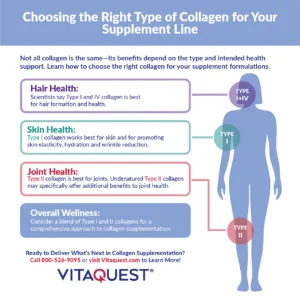
Bovine collagen is sourced from cows and commonly contains Type I and Type III collagen.
Type I collagen is abundant in areas such as skin, bones, and tendons, while Type III collagen is often found alongside Type I in connective tissues.
Bovine collagen is a popular choice for people looking for general collagen support.
Marine Collagen
Marine collagen is sourced from fish and is commonly rich in Type I collagen.
It is often selected by people interested in skin-focused nutrition. However, individuals with fish allergies should carefully review product labels before use.
Chicken Collagen
Chicken collagen is often associated with Type II collagen, which is found in cartilage.
This type is commonly considered by people looking specifically at joint-related nutrition.
What to Look For in a Collagen Supplement
With many options available, understanding key factors can help you choose a suitable product.
Collagen Source and Transparency
A quality supplement should clearly state its collagen source and ingredients. Knowing whether a product uses bovine, marine, or another collagen source helps consumers select products that align with their dietary preferences.
Ingredient Quality
Before choosing a collagen supplement, review:
- Collagen amount per serving
- Additional ingredients
- Sweeteners or flavors
- Added nutrients
- Allergen information
A clear ingredient list makes it easier to understand what you are consuming.
Hydrolyzed Collagen Peptides
Many collagen supplements use hydrolyzed collagen because the collagen protein has been broken into smaller peptides. This form is commonly used in powders and nutritional products because it mixes easily into drinks and foods.
Third-Party Testing
Testing standards can provide additional confidence regarding ingredient quality and product accuracy. Consumers may want to look for brands that provide information about testing practices and manufacturing standards.
How to Add Collagen Supplements to Your Routine
Collagen supplements are available in different formats, including powders, capsules, and ready-to-use products.
Collagen powder is one of the most common options because it can be mixed into:
- Water
- Smoothies
- Coffee
- Protein shakes
- Other beverages
Many users prefer adding collagen to an existing daily habit, making consistency easier.
Are Collagen Supplements Safe?
Research on oral collagen supplementation has generally found collagen supplements to be well tolerated, with studies reporting few adverse effects. However, individual responses may vary, and people with allergies to specific collagen sources should check product ingredients carefully.
People with medical conditions, dietary restrictions, or concerns about supplementation should speak with a healthcare professional before adding new supplements to their routine.
Common Mistakes When Taking Collagen
Expecting Collagen to Replace Protein Intake
Collagen provides amino acids, but it does not replace all the benefits of complete protein sources. Foods such as eggs, dairy, fish, meat, legumes, and other protein-rich options remain important for overall nutrition.
Choosing Based Only on Marketing Claims
Not every collagen product provides the same quality or dosage. Reviewing ingredients, sourcing, and testing information can help consumers make better decisions.
Ignoring Overall Lifestyle Habits
Collagen supplements should support healthy habits rather than replace them. Sleep, exercise, hydration, and balanced nutrition all contribute to overall wellness.
How to Choose the Right Collagen Supplement
The best collagen supplement depends on your personal goals, dietary preferences, and lifestyle. Someone focused on skin support may look for different features than someone interested in joint-focused nutrition.
Consider:
- Collagen source
- Ingredient quality
- Serving size
- Product testing
- Ease of use
- Personal health goals
Understanding these factors can help you select a supplement that fits your routine.
Final Thoughts
Collagen supplements have become a popular option for people looking to support skin health, joints, and connective tissues. While research continues to examine their benefits, collagen peptides may provide nutritional support when combined with a balanced lifestyle.
Choosing a quality product, understanding your goals, and maintaining healthy daily habits are important steps toward making the most of collagen supplementation.
For those looking for reliable nutritional products to support their wellness goals, BioOptimal Supplements provides collagen supplements designed to fit different lifestyle and nutrition needs.