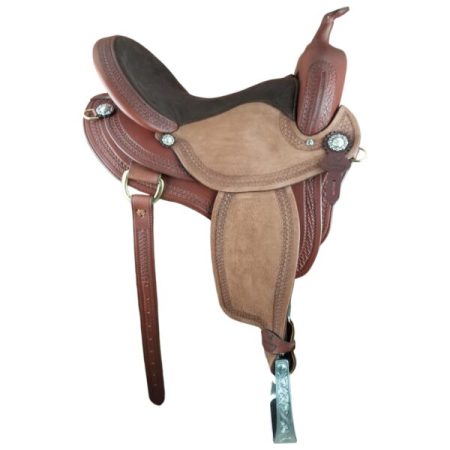




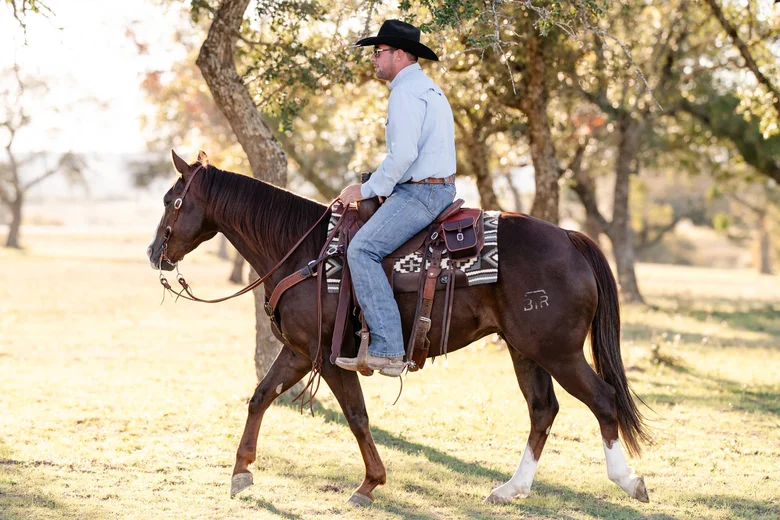
Types of Western Saddles: A Guide to Choosing the Right Saddle for Your Riding Style
Choosing the right saddle is one of the most important decisions for any Western rider. A saddle affects the comfort of both horse and rider, influences balance, and supports the specific movements required for different riding activities. Since Western riding includes disciplines ranging from ranch work and trail riding to rodeo competitions, there are several saddle designs created for specific purposes.
Understanding the different types of western saddles can help riders choose equipment that matches their riding goals. While many Western saddles share common features such as a horn, deep seat, and sturdy construction, each style is designed with different priorities in mind, including stability, freedom of movement, speed, or comfort during long hours of riding.
Why Are There Different Types of Western Saddles?
Western saddles were originally developed for ranch work, where riders needed comfortable and reliable equipment for long days on horseback. Over time, different riding disciplines created the need for specialized saddle designs. (en.wikipedia.org)
A saddle designed for roping cattle requires different features than one used for trail riding or barrel racing. Factors such as seat depth, horn design, tree shape, stirrup position, and saddle weight all influence how a saddle performs.
Before choosing a saddle, riders should consider:
- Riding discipline
- Horse’s body shape
- Rider comfort preferences
- Frequency of use
- Performance requirements
Common Types of Western Saddles
1. Trail Saddles
Trail saddles are designed for riders who spend extended periods on horseback and prioritize comfort for both horse and rider.
These saddles typically feature:
- Comfortable padded seats
- Balanced weight distribution
- Secure rider positioning
- Attachment points for trail gear
Trail riders often travel across varied terrain, so comfort and stability are important considerations. A properly fitted trail saddle can help make longer rides more enjoyable.
Trail saddles are a popular choice for recreational riders, pleasure riders, and those who enjoy exploring outdoor trails.
2. Roping Saddles
Roping saddles are built for the demands of cattle roping events and ranch work. These saddles prioritize strength and durability because they must handle the forces created when a rope is secured around the saddle horn.
Common features include:
- Strong saddle trees
- Reinforced horns
- Durable leather construction
- Lower cantles for easier movement
Roping saddles are often heavier than other Western saddle styles because they are designed to handle demanding activities. (en.wikipedia.org)
They are commonly used for:
- Team roping
- Calf roping
- Ranch work
3. Barrel Racing Saddles
Barrel racing requires speed, quick turns, and close communication between horse and rider. Barrel saddles are designed to provide security while allowing the horse freedom of movement.
Features often include:
- Lightweight construction
- Deep seats
- Higher cantles
- Secure positioning
The design helps riders stay balanced during fast movements and sharp turns.
Because barrel racing depends on agility and speed, riders often look for saddles that provide support without adding unnecessary weight.
4. Cutting Saddles
Cutting saddles are designed for a discipline where horse and rider work together to separate a cow from a herd.
These saddles typically include:
- Wide swells
- Deep seats
- A secure riding position
- Design features that allow the horse to move freely
The deep seat helps riders maintain balance while the horse makes quick side-to-side movements.
Cutting saddles are built around the communication and responsiveness required between horse and rider during competition. (en.wikipedia.org)
5. Reining Saddles
Reining is a Western discipline focused on precise movements, including spins, stops, circles, and changes in speed.
Reining saddles are designed to allow riders to maintain balance while giving horses freedom of movement.
Common characteristics include:
- Deep seats
- Forward stirrup placement
- Lightweight designs
- Increased rider mobility
The design supports the close connection between horse and rider required for advanced maneuvers.
6. Ranch Saddles
Ranch saddles are designed for versatility and everyday use. They combine features needed for working cattle with comfort for general riding.
They are commonly used for:
- Ranch work
- Trail riding
- Ranch competitions
- General Western riding
A ranch saddle often provides a balance between durability, comfort, and functionality.
For riders who participate in multiple activities, a ranch saddle can be a practical option.
7. Show Saddles
Show saddles are designed for Western competitions where appearance and presentation are important.
They often feature:
- Decorative tooling
- Silver accents
- Detailed leather work
- Polished finishes
While they maintain the structure of a Western saddle, show saddles focus heavily on visual appeal and creating a refined appearance in the arena.
8. Endurance Saddles
Endurance saddles are designed for long-distance riding where reducing fatigue and maintaining horse comfort are priorities.
Features may include:
- Lightweight construction
- Weight distribution across the horse’s back
- Comfortable rider positioning
- Additional attachment options
These saddles are useful for riders who spend many hours covering longer distances.
How to Choose the Right Western Saddle
Choosing a saddle requires more than selecting a style based on appearance. The saddle should match both the rider’s needs and the horse’s physical structure.
Consider Your Riding Activity
The first step is identifying how you plan to use the saddle.
Ask yourself:
- Do you ride mainly on trails?
- Do you compete?
- Do you work with cattle?
- Do you need a general-purpose saddle?
A saddle designed for one discipline may not provide the best experience for another.
Focus on Horse Fit
A saddle must fit the horse properly to provide comfort and support.
Important considerations include:
- Tree width
- Gullet size
- Saddle length
- Weight distribution
- Back shape
An incorrectly fitted saddle can create pressure points and discomfort.
Consider Rider Comfort
The rider’s comfort also matters. Seat size, stirrup position, and overall saddle balance influence how naturally a rider can sit.
A comfortable saddle helps riders maintain better balance and enjoy longer rides.
Western Saddle Materials and Construction
The quality of materials affects how a saddle performs and how long it lasts.
Important components include:
Saddle Tree
The tree provides the foundation and shape of the saddle. Strong construction is especially important for disciplines such as roping, where the saddle experiences significant pressure.
Leather Quality
Leather affects durability, appearance, and maintenance requirements. High-quality leather saddles often develop character over time with proper care.
Rigging System
The rigging connects the saddle to the cinch and helps keep the saddle secure. Different disciplines may require different rigging styles based on movement and workload.
Maintaining Your Western Saddle
Proper care helps protect your investment and maintain rider and horse comfort.
Regular maintenance includes:
- Cleaning dirt and sweat after use
- Conditioning leather
- Checking hardware
- Inspecting stitching
- Storing in a dry area
A well-maintained saddle can provide reliable performance for many years.
Finding the Right Western Saddle for Your Needs
The best Western saddle depends on your riding style, horse, and personal preferences. A trail rider, ranch worker, and rodeo competitor may all need completely different saddle designs.
Understanding the purpose behind each saddle type makes it easier to choose equipment that supports your goals. Whether you need a saddle for competition, everyday riding, ranch work, or outdoor adventures, selecting the right design can improve the overall riding experience.
For riders searching for quality saddle options and expert guidance, Saddle Up Colorado provides a range of new and used saddles designed for different riding styles, horses, and equestrian needs.