



Signature Dancewear Collections: What to Look For in a Dancer-Designed Line
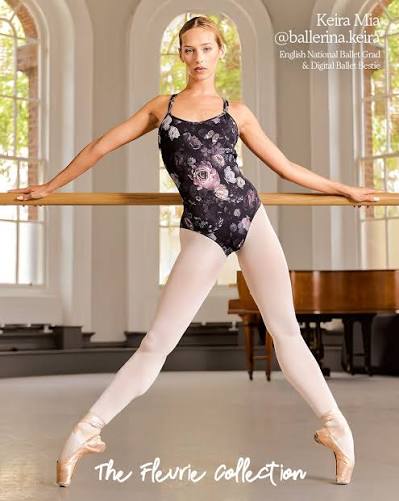
Dancewear used to be sorted by discipline and color, and very little else. That has changed. Brands now build entire lines around individual dancers, and shoppers increasingly browse by collection rather than by garment type. The gracyn french collection is one example among several, sitting alongside a roster of other dancer-led lines that each carry a distinct look. For dancers deciding where to spend, the useful question is what a signature collection actually delivers beyond a name on the page.
The answer, in the good ones, comes down to specificity.
What a Signature Collection Actually Signals
A general catalog has to serve everyone, which pushes design toward the middle. A collection built around one dancer’s preferences can commit to a point of view. That shows up in silhouette choices, in how pieces are cut, and in which combinations are designed to be worn together.
The practical benefit is coherence. Pieces within a single collection are built to work as a set, so a crop top, a legging, and a brief bought from the same line will read as an intentional look rather than three separate purchases. For dancers assembling outfits for rehearsal footage or audition submissions, that coherence saves real time.
The thing to check is whether the collection commits to actual design decisions or simply applies a name to standard inventory. Look at whether the pieces share a design language across the line.
Crop Tops: Fit Details That Decide Whether You’ll Wear It
A crop top either stays put through inversions and floor work or it does not, and the difference is visible in the construction.
Check the underband first. A wider, firmer band distributes pressure and resists riding up far better than a thin strip of elastic. Then check the strap configuration. Crossing and racerback designs generally hold better through overhead movement than straight straps, though they need to sit clear of the shoulder blades so upper back mobility is not restricted.
Length matters too. A crop that ends well above the natural waist gives more freedom through contractions and side bends. One that sits closer to the waist offers more coverage. Neither is better, but knowing which you want before ordering prevents a return.
Leggings and the Squat-and-Extend Test
Dance leggings face demands that general activewear does not. Full extension, deep plié, and floor work all stress the fabric differently than running does.
The two things worth checking are opacity under stretch and waistband behavior. Pull the fabric taut and look at it against light. Any transparency will be worse under studio lighting. For the waistband, a wide, high-rise band stays put through inversions. A narrow band rolls.
Spandex content drives recovery, meaning how well the fabric returns to shape after being stretched. Higher content generally holds up through more wear cycles.
Briefs and the Coverage Question
Briefs worn over a leotard or with a crop top solve a coverage question that comes up constantly, particularly for teen dancers. They are permitted in most classes outside formal ballet technique, and many dancers wear them daily.
Look at the leg opening finish. Elastic encased in fabric lasts longer and stays comfortable than exposed elastic, which degrades faster through repeated washing. Check the rise as well, since a higher rise pairs cleanly with a crop top and a lower rise sits better under a leotard.
Building a Look Within a Dress Code
Signature collections are most useful in classes where the dress code is loose, which typically means contemporary, jazz, commercial, and open rehearsal blocks. Formal technique classes usually specify color and silhouette in ways that limit options.
Read the written code first, then identify where it is silent. Those gaps are where a collection-based look actually works. When a code permits any color for a given class, a coordinated set from one line is the fastest route to something that looks deliberate.
Sizing Across a Collection
One advantage of buying within a single collection is consistent sizing, since pieces designed together usually share a fit block. That reduces the guesswork of ordering a top in one size and a legging in another.
Check published measurements rather than relying on size labels, particularly torso length if the collection includes any one-piece garments. Dancers with long torsos are frequently sized incorrectly by chest and hip measurements alone.
Finding Your Collection
Signature lines are worth the attention when they commit to a genuine design point of view and back it with construction that survives daily training. Check the underband on crops, the waistband and opacity on leggings, and the elastic finishing on briefs, then buy within one line for coordinated sizing and a coherent look. Tiger Friday carries a full range of dancer-led collections built for serious training. Explore the range to find the line that fits how you move.