



A fake plant in living room décor is one of the easiest ways to make your space feel warmer, more inviting, and visually balanced without the maintenance that comes with live plants. Whether your living room gets plenty of natural light or has darker corners, artificial plants provide year-round greenery that never needs watering, pruning, or special care. From filling empty spaces to creating eye-catching focal points, the right placement can transform the overall look and feel of your home.
In this guide, we’ll explore the best places to position fake plants in your living room, styling tips for different room sizes, and simple ideas to help your artificial greenery look as realistic as possible.
Why Placement Matters
A well-placed artificial plant can do much more than decorate a room. Strategic placement can:
- Make a room feel larger and more balanced
- Draw attention to architectural features
- Add texture and height to minimalist interiors
- Soften hard furniture lines
- Create a calming, nature-inspired atmosphere
Instead of randomly placing a plant wherever there’s empty space, think about how it complements your furniture, lighting, and décor.
1. Fill Empty Corners
One of the most popular places for a fake plant is an unused corner.
Large corners often feel unfinished, especially in open-concept living rooms. A tall artificial tree instantly adds height and visual interest without taking up much floor space.
Great options include:
- Artificial olive trees
- Faux fiddle leaf figs
- Artificial bamboo
- Artificial willow trees
- Faux palms
Choose a decorative planter that matches your interior style, whether modern, farmhouse, coastal, or traditional.
2. Next to the Sofa
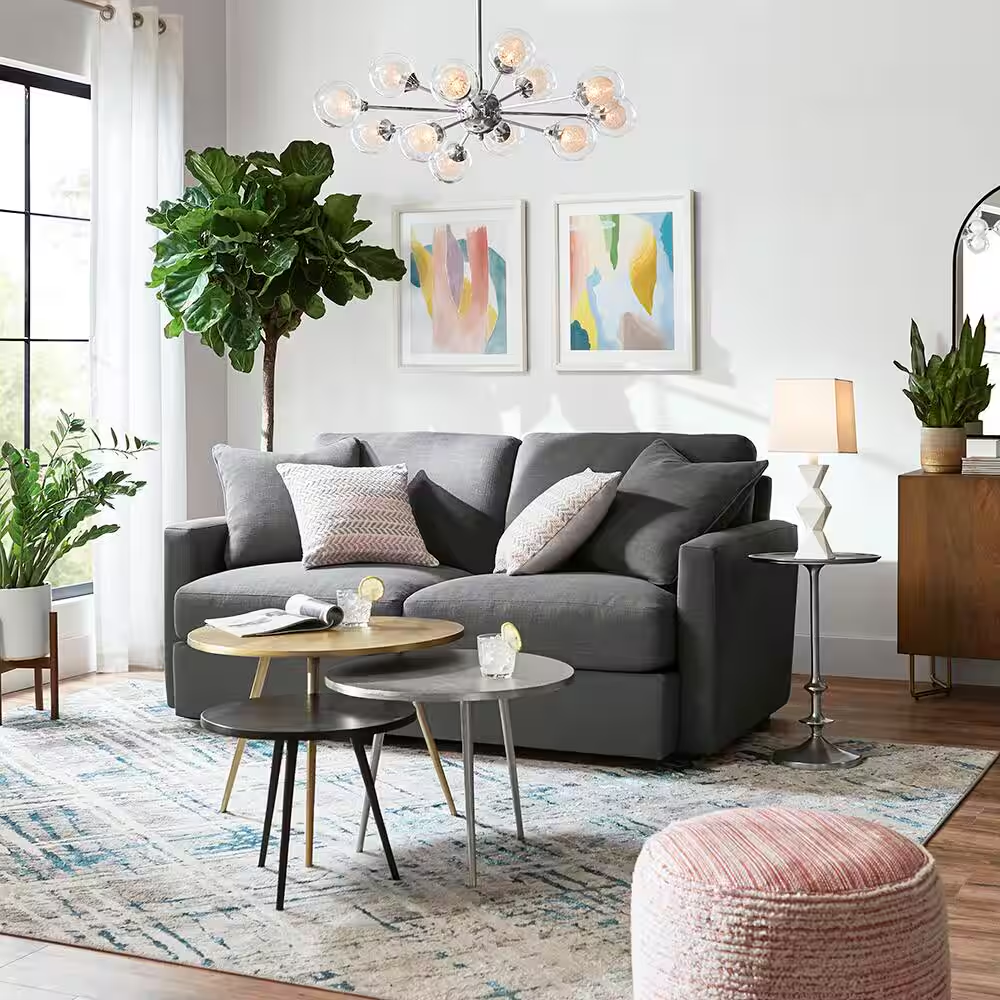
The space beside a sofa is ideal for medium or tall artificial plants.
Instead of leaving the area empty, position a plant beside an end table or floor lamp to create a layered look.
This placement:
- Frames your seating area
- Makes furniture feel more connected
- Adds softness beside large upholstered pieces
A tall leafy plant works especially well if your sofa sits against a plain wall.
3. Beside the TV Console
Television units often dominate the room. Adding greenery on one or both sides helps soften the electronics and creates a more balanced entertainment area.
Depending on your available space, consider:
- Tall floor plants
- Medium potted greenery
- Artificial topiary trees
Avoid placing oversized plants directly in front of the screen where they could obstruct viewing.
4. Near the Fireplace
Fireplaces naturally become focal points, making them excellent locations for decorative plants.
Place matching artificial plants on either side of the fireplace for symmetry, or position one larger plant nearby to create visual balance.
This works particularly well in:
- Modern living rooms
- Farmhouse interiors
- Traditional homes
- Transitional spaces
Since artificial plants aren’t affected by indoor heat as much as live plants, they’re often easier to maintain in these locations.
5. Behind an Accent Chair
If you have a reading corner with an accent chair, adding a tall plant behind or beside it creates depth.
The combination of:
- Chair
- Side table
- Floor lamp
- Artificial plant
creates a cozy reading nook that feels professionally designed.
6. On Floating Shelves
Not every plant needs to sit on the floor.
Small faux plants work beautifully on:
- Floating shelves
- Wall-mounted bookcases
- Built-in shelving
- Entertainment units
Mix greenery with books, candles, framed photos, and decorative objects for a balanced display.
7. Coffee Table Centerpiece
Small artificial plants make attractive coffee table centerpieces.
Consider:
- Faux succulents
- Small eucalyptus arrangements
- Mini bonsai trees
- Decorative greenery bowls
Keep the arrangement low enough so it doesn’t interfere with conversation across the table.
8. Console Tables
Console tables behind sofas or against walls often benefit from decorative greenery.
Pair a faux plant with:
- Mirrors
- Table lamps
- Picture frames
- Decorative trays
- Books
This creates varying heights and prevents the tabletop from looking flat.
9. Window Areas
Although fake plants don’t require sunlight, placing them near windows makes them appear more natural.
Natural daylight enhances:
- Leaf color
- Texture
- Shadows
- Overall realism
Guests are often less likely to realize they’re artificial when positioned where live plants would normally thrive.
10. Entry to the Living Room
If your living room has a wide entrance, place a decorative artificial tree near the entry.
This immediately welcomes guests and helps define the room.
Tall statement plants create an elegant first impression while making the space feel complete.
Choosing the Right Plant Size
The size of your plant should match your room dimensions.
Small Living Rooms
Choose:
- Mini faux plants
- Succulents
- Tabletop arrangements
- Small snake plants
- Compact bonsai trees
These add greenery without overwhelming the room.
Medium Living Rooms
Good choices include:
- Rubber plants
- Bird of paradise
- Medium fiddle leaf figs
- Artificial ferns
These create balance while leaving enough open space.
Large Living Rooms
Large spaces can accommodate:
- 6–8 foot artificial trees
- Faux olive trees
- Tall palms
- Artificial willow trees
These become statement pieces that anchor the room.
Match Plants to Your Interior Style
Different plant styles complement different décor themes.
Modern
- Olive trees
- Snake plants
- Rubber plants
- Minimalist planters
Farmhouse
- Eucalyptus
- Olive trees
- Cotton stems
- Rustic baskets
Coastal
- Palm trees
- Banana plants
- Tropical greenery
- White ceramic pots
Traditional
- Topiary trees
- Boxwood plants
- Ficus trees
- Decorative urn planters
Styling Tips for a Natural Look
Even the highest-quality artificial plants benefit from thoughtful styling.
Fluff the Branches
Artificial plants are often compressed during shipping. Spread the branches and shape the leaves before displaying them.
Use Decorative Pots
Replace basic nursery pots with decorative planters that match your furniture and color palette.
Popular choices include:
- Woven baskets
- Ceramic pots
- Concrete planters
- Metal containers
- Wooden planters
Mix Different Heights
Avoid placing several plants of identical height together.
Instead, combine:
- Tall floor plants
- Medium tabletop arrangements
- Small shelf plants
This creates visual movement throughout the room.
Keep Them Clean
Dust buildup makes artificial plants look fake.
Every few weeks:
- Wipe leaves with a microfiber cloth.
- Use compressed air for delicate foliage.
- Clean with a damp cloth if needed.
- Avoid harsh cleaning chemicals.
Common Placement Mistakes to Avoid
To keep your living room looking polished, avoid these common mistakes:
- Blocking walkways with oversized plants
- Using plants that are too small for large spaces
- Crowding too many plants into one corner
- Ignoring scale between furniture and greenery
- Leaving plants dusty or unshaped
- Using mismatched pots that clash with your décor
A few thoughtfully placed artificial plants usually look more sophisticated than filling every available space.
Benefits of Decorating with Artificial Plants
Artificial plants continue to grow in popularity because they offer practical advantages.
Benefits include:
- No watering required
- No sunlight needed
- Allergy-friendly
- Pet-friendly options available
- Long-lasting beauty
- Low maintenance
- Suitable for every season
- Ideal for apartments, offices, and vacation homes
They allow homeowners to enjoy the appearance of lush greenery without worrying about plant care.
Final Thoughts
Finding the perfect place for a fake plant in living room décor comes down to creating balance, adding visual interest, and complementing your existing furniture. Whether you choose a tall artificial tree for an empty corner, a small faux plant for your coffee table, or elegant greenery beside your fireplace, thoughtful placement can make your living room feel more welcoming and complete.
If you’re looking for realistic artificial plants and flowers to elevate your home décor, Fake Flowers offers a wide selection of lifelike trees, potted plants, and floral arrangements designed to bring lasting beauty to every room—without the upkeep of live plants.